

short Seville guide
mostly where to eat

In March, I visited Seville, as a short but eventful weekend trip from Madrid.
I wrote a detailed guide to Madrid in my previous post, with all the restaurants, wine and sherry bars, specialty coffee, and shops recommendations. That post was paywalled, meaning that only paying subscribers can read the whole article. If you’ve been reading & enjoying & finding good places to eat and drink on my Substack, consider switching to a paid subscription. It gives you access to all my posts, supports my work, and helps this publication grow. You can cancel the subscription every month if you change your mind.
We took the fast train from Madrid’s Atocha to Seville’s Santa Justa station, enjoying the landscapes rushing by and the bag of fruit bought in a store in Letras (chirimoya! strawberries! golden kiwis! bananas!).
Three hours and 531km later, the climate changes: from Madrid’s early spring, with strong gusts of wind, and a thick jacket in the evenings, to orange blossoms and ice cream in the Andalusian sun. We came for a concert – Suede was playing at Cartuja Center – and also tried to wedge in as much good food and coffee as possible.
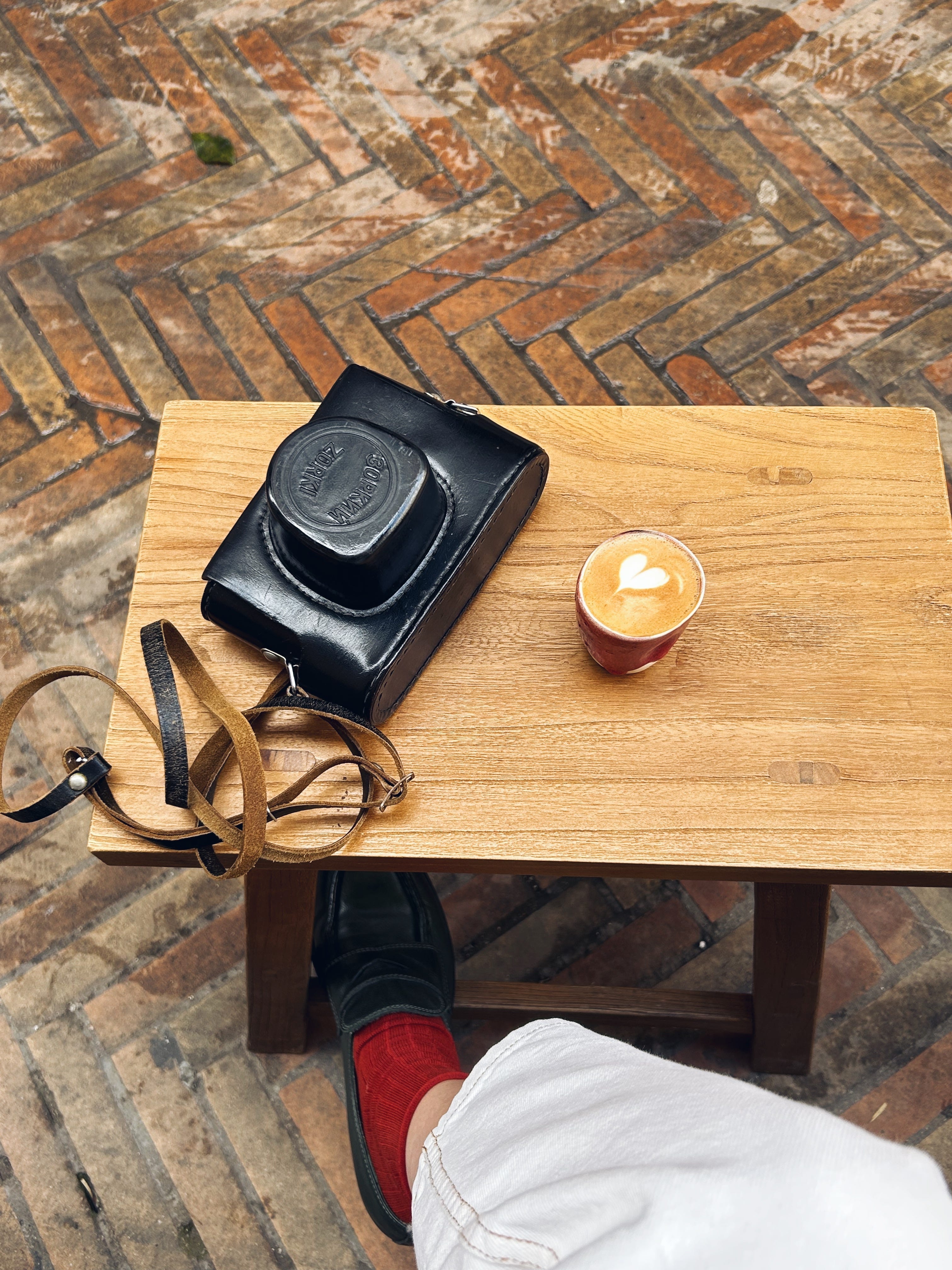
From Santa Justa, straight to Moin Café for coffee: a very good cortado on a small table on the street in front of this tiny shop. Smell of orange blossoms wafting through the air, yellow accents on white facades as signs that the setting has changed: this is Andalusia.
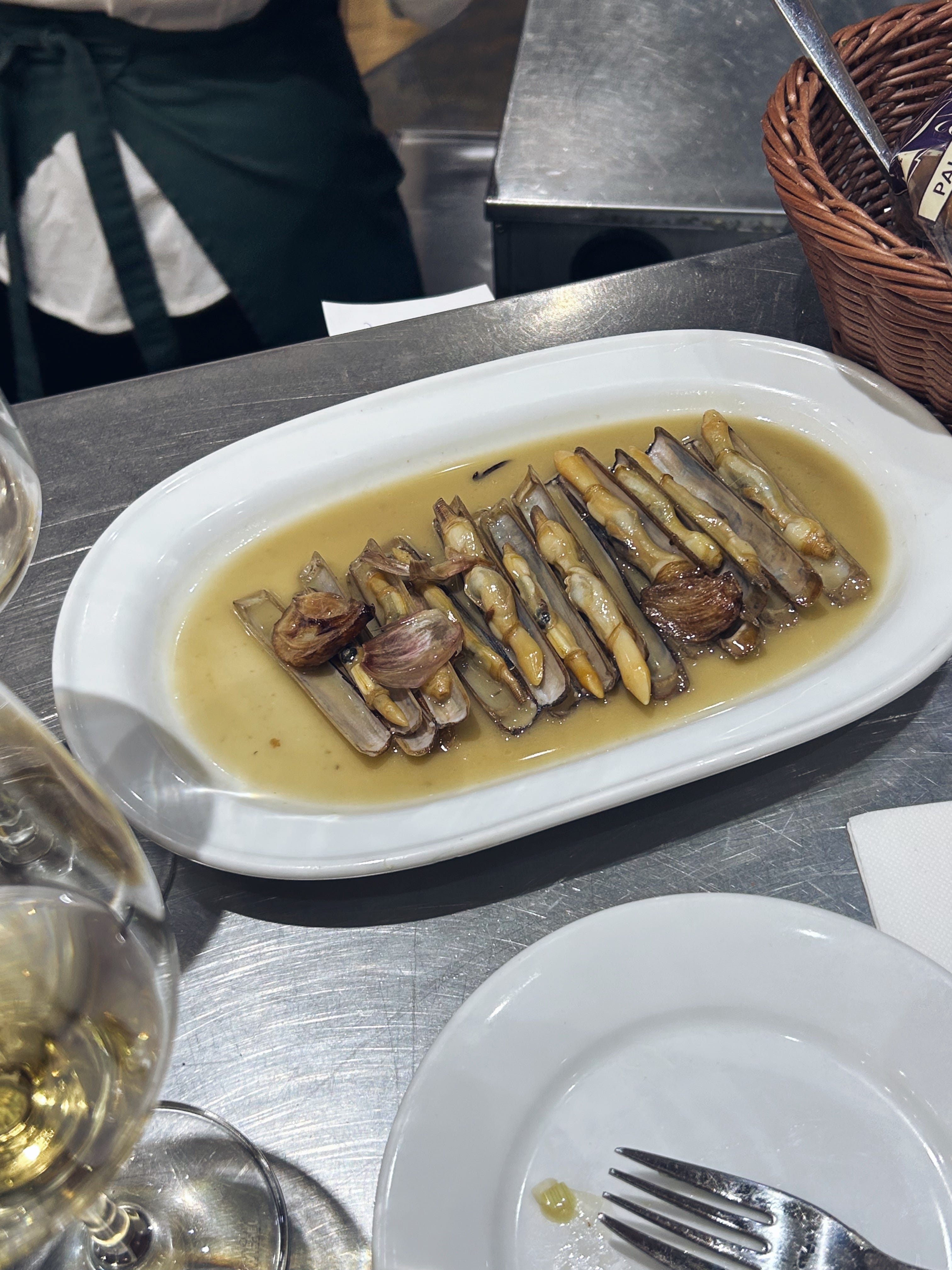
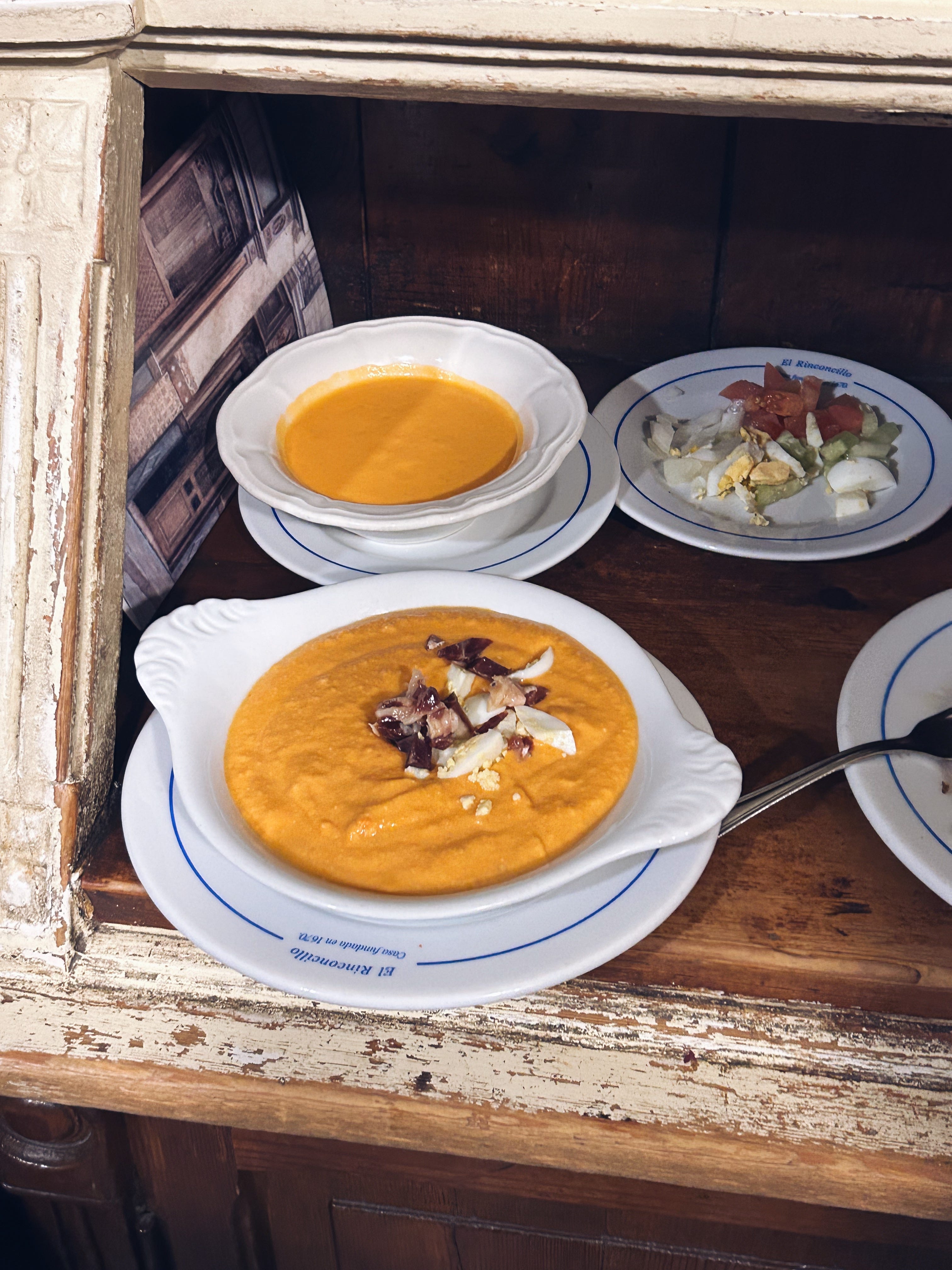
Second, an unmissable stop, a pilgrimage almost, Bodeguita Romero for a birthday lunch. Lunching there on a Saturday in March is a business of elbowing your way in and then feeling lucky to have found a patch of bar surface to fit two and all the dishes you intend to order. Navajas (razor clams), salmorejo (thick tomato and garlic soup), papas aliñas (marinated potatoes and their signature dish), croquetas de bacalao, chickpeas with spinach, tortillitas de camarones (tortillas with baby shrimp). All insanely good.
Nearby is the shop where, two years ago, I bought a hat in Yves Klein blue that I find iconic. Antonio García is a classic Andalusian shop selling sombreros and other equipment for horseback riding that doesn’t necessarily need to be used for horseback riding only. There are leather bags, belts, vintage-style white shirts with balloon sleeves, wool shawls, etc. This time I bought two leather belts and a fiery red hat. The prices are very fair.
After an afternoon nap with windows wide open and the sounds of a procession on the street, ice cream at Heladerías Bolas. Flavours such as incense, gazpacho, Payoyo cheese, etc.
The concert was held at the Cartuja Center, a contemporary concert venue with great acoustics, built to take in and let out a lot of people at once fast, and very well organised. I’ve seen Suede live for the first time and felt as if I were in my early twenties again, when a live performance could create such excitement. Brett Anderson really gave it all, the choice of songs balanced between the new album Antidepressants and the old hits such as So Young, Animal Nitrate or Saturday Night, which sent the audience (me included) into hysterics.
After the concert, I was – as I always am – hungry, so we went to El Rinconcillo, Seville’s oldest tapas bar (existing for 350 years) for a drink and “a bite” and ended up ordering sherry, gazpacho, salmorejo, tuna salad, morcilla, cheese. The vibe was just right, the place full, jamones cut at the bar one after another, and service in a good mood even though it was almost midnight.
The next day, coffee at the neighbourhood coffee shop, where apparently all the expats in Seville go, but nevertheless – MUY Coffee has good specialty coffee served in beautiful handmade cups, cheerful interior, and friendly baristas.
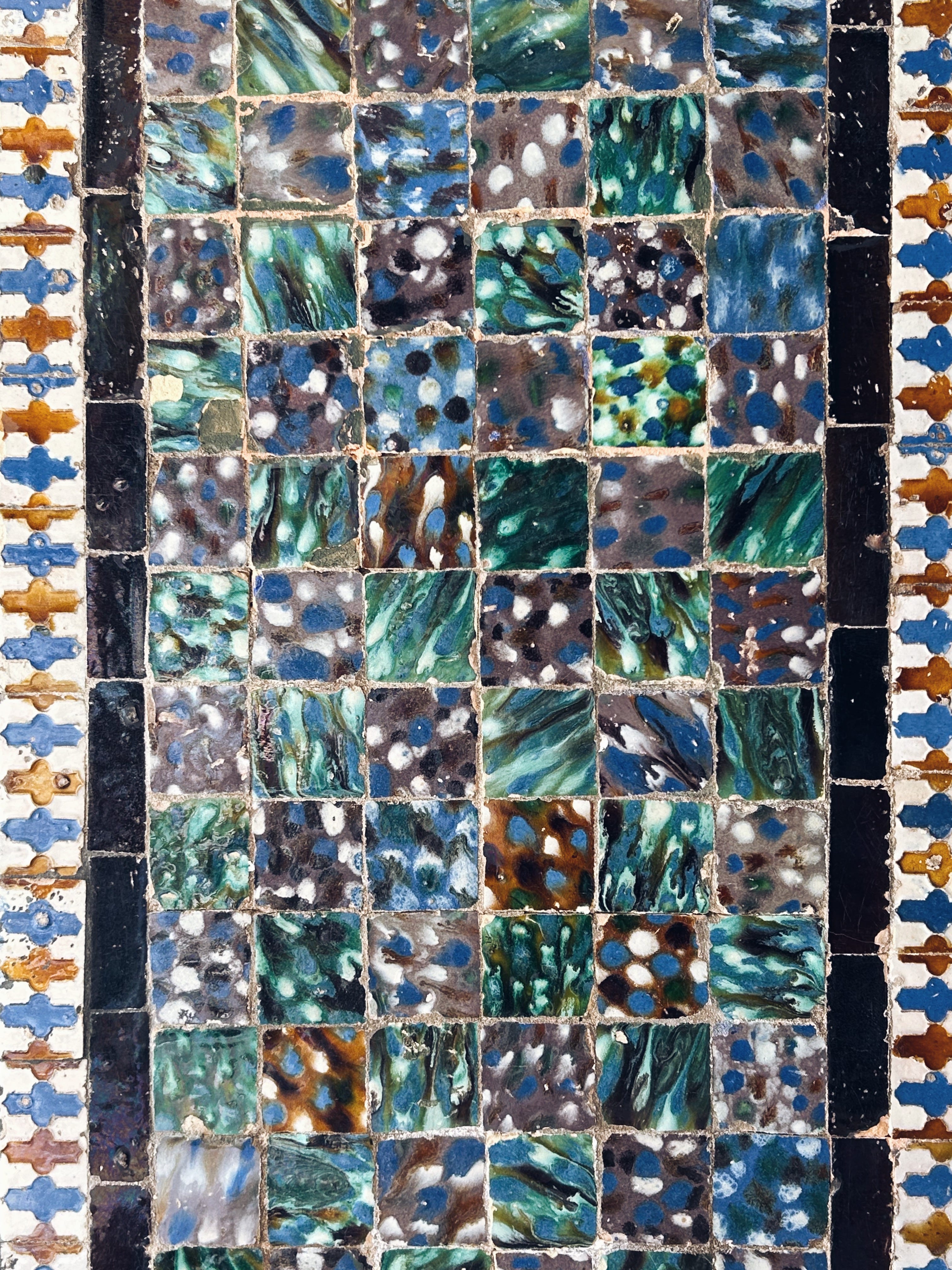
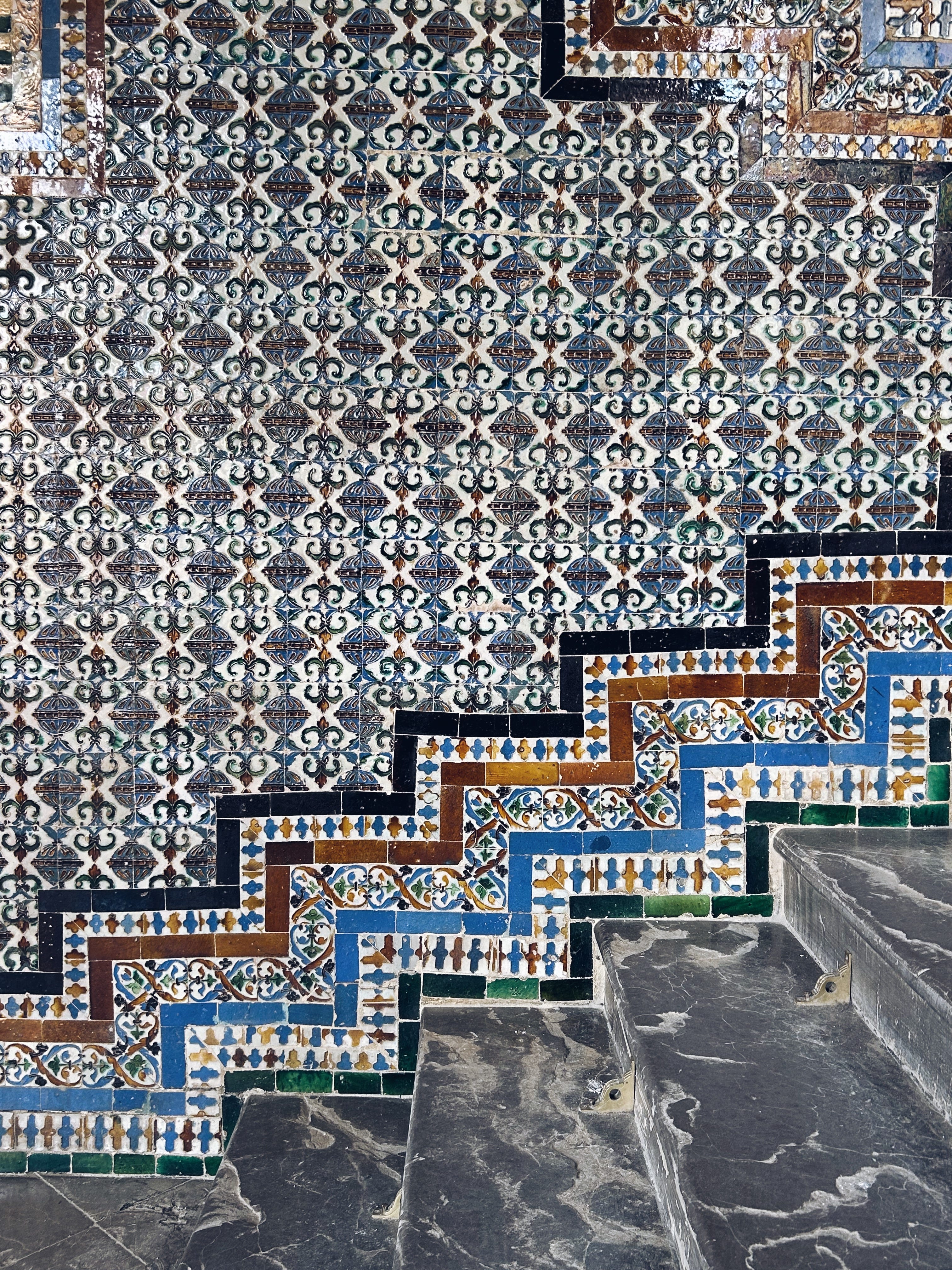
I wanted to revisit Casa de Pilatos, a Renaissance villa adorned with around 150 different azulejos (glazed tiles), which left a huge impression on me 2 years ago – one of the most beautiful buildings I’ve ever seen. This time it was more touristy and busy, but the tiles – their patterns and colour palette were as fascinating as the last time.
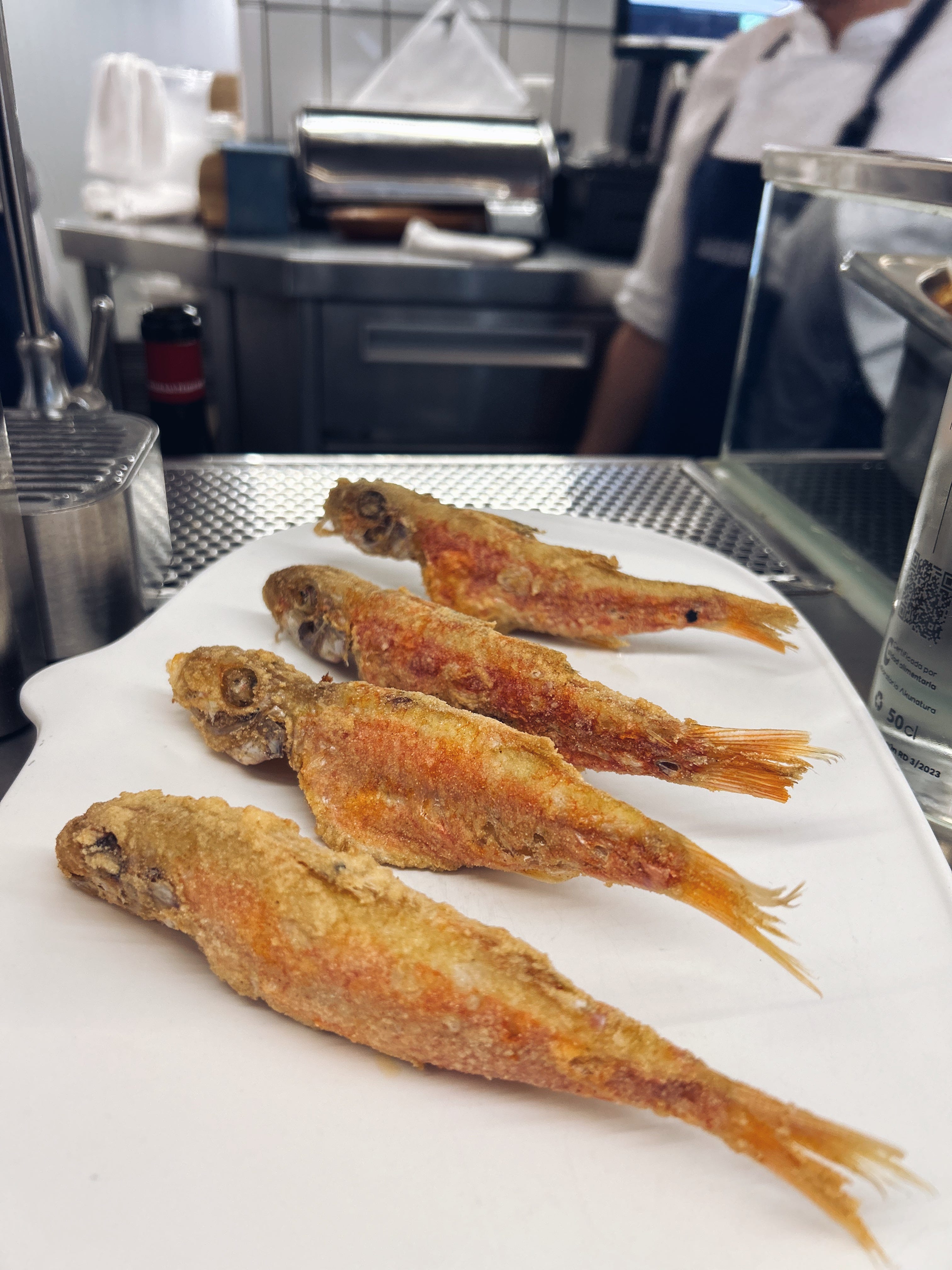
For lunch, we booked La Barra de Cañabota, the informal version of the Cañabota restaurant. Bar seating, open kitchen, stainless-steel table, and the freshest fish + everything else from the sea. This was something that, as Bodeguita Romero and Casa de Pilatos, had to be revisited – on the trip two years ago, it was my favourite meal of the trip. Now, there were a couple of places in Madrid in the competition too, but Barra de Cañabota stays in the top when it comes to fish.
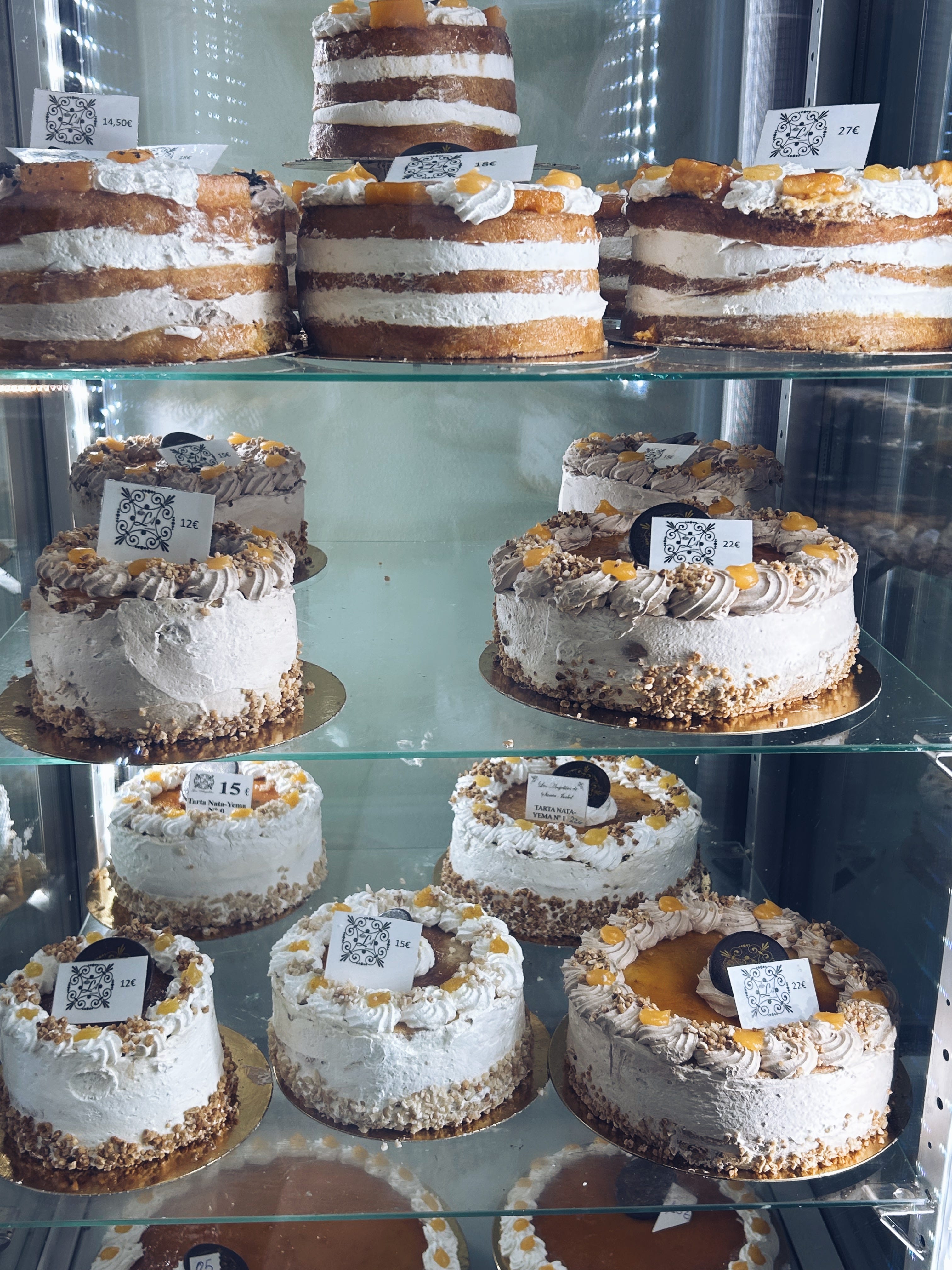
Walking back to the hotel to pick up our stuff and head to the train station, we stopped at Pastelería los Angelitos de Santa Isabel to buy some sweets. It’s an old-fashioned establishment selling traditional Sevillan sweets: such as pestiños (deep fried in oil and then glazed with honey), torrijas (sort of French toast made of stale bread), rosas de miel (crispy dough dipped in honey), rosquito frito (citrus-flavoured dough fried in olive oil), etc.
And it was back to Madrid.
I’m adding a couple of places I visited and liked the last time:
Bar Europa – hard to miss with the green tiles on the facade. Very good salmorejo + beer with the views of the Iglesia de Salvador church.
La Casa del Tigre – Spanish cuisine in a modern, youthful interpretation and a cool interior.
Las Teresas – classic Andalusian tapas bar with jamones hanging from the ceiling. Great for a plate of jamón, a glass of sherry, and people watching.
Delatribu – specialty coffee.
Dulcería Manu Jarra – old school pastry shop with delicious viennoiserie. I’ve been to the one in Triana.
Bar Casa Morales – a traditional Sevillan tavern with sherry casks lining the walls and a huge selection of quality tapas.